Table Of Content
We’ve broken these down into a convenient graphic design skills list—which covers all the technical know-how you should have in order to become a full-fledged Graphic Designer. Graphic designers are responsible for using text and images to communicate a specific message. Logos, print advertisements, and brochures are all examples of projects completed by graphic design professionals. Graphic designers have to articulate ideas to companies, clients, and employers. Graphic design requires strong public speaking skills for presentations and writing skills for proposals. Designers also have to be able to communicate with clients and employers by phone, email, and video.
Top Graphic Design Skills to Master for Professional Success
Because they often work with clients and colleagues on various projects, they also need important soft skills like communication and problem solving. Learning graphic design can be a useful skill because it can be done anywhere. Graphic designers are one of the top jobs with flexible hours, meaning you can work remotely or even while traveling.
Kickstart Your Graphic Design Career
It includes things like product labels and packaging, posters and billboards, book covers, website graphics, logos, flyers, and business cards. It is an essential skill to create your own graphic design and there is no way to avoid it either. Meanwhile, thumbnails are quick, rough drawings that should be used to approximate the layout of a design and figure out the placement of key design elements e.g. images, headlines, body copy etc. They’re used to quickly generate and explore different ideas while thinking divergently. Designers should know how to lay them out properly and sensibly so they can used them to the best of their ability. These are only some quick definitions but for a far more in depth look into the Design Principles, check out this article about the five principles of graphic design.
Our Business And Leadership Courses Duration And Fees

An understanding of color theory can help you support your design decisions beyond just a gut feeling for what you think looks good. The better a designer can use Photoshop and Illustrator to create content, the better their work will be. Beyond just the practicality of knowing how to use these programs, proficiency with these tools allows you to dedicate more thought and energy to the underlying principles of design. So problem-solving is very important for a graphic designer to have under their belt. Learning the fundamental concepts and vocabulary of color is the first step toward gaining a solid understanding of color theory and psychology.
Adobe InDesign for Graphic Designers
They also need a thorough understanding of different file formats and color systems, as well as paper sizes, weights, and stocks. Your clients, colleagues, and direct teammates will all appreciate your ability to both give and receive feedback, so master this skill as early as possible in your graphic design career. If you can communicate and collaborate well, you’re equipped to handle one of the most challenging aspects of a career in graphic design. The origins of graphic design can be traced back to the printing industry, and graphic design for print is still going strong. After all, we still need designers for things like product packaging, posters, magazines, and book covers. Usually, they’re designing for a specific brand and must therefore understand the relationship between visual design and branding.
Students develop professional art skills through JRTI's Graphic Design program - Martinsburg Journal
Students develop professional art skills through JRTI's Graphic Design program.
Posted: Wed, 21 Feb 2024 08:00:00 GMT [source]
Join over 3,400 global companies that choose Coursera for Business
Hence, we should explore innovative thinking in graphic design, which has great significance for enhancing the innovation capability and vitality of graphic design. Remember when we were still students and learned about color theory in our art class? A solid grasp of color theory principles, including color harmony, contrast, and psychology, is necessary for creating visually appealing and engaging design elements. By fully comprehend the color theory, designers can make informed decisions about color palettes, and create artworks that resonate with the target audience. When you consider “what skills do graphic designers need”, the importance of good communication cannot be overstated.
Adaptability and Continuous Learning
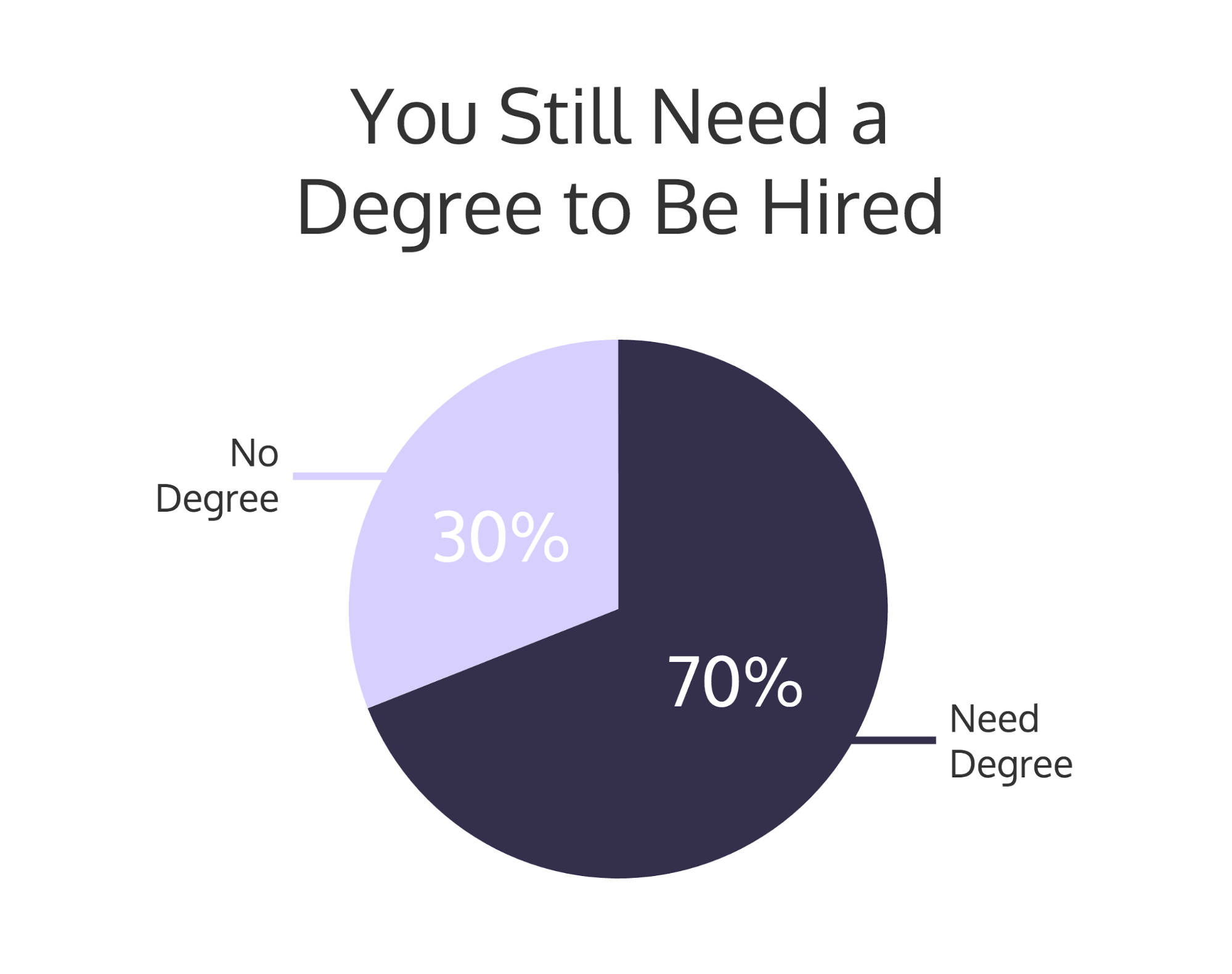
In contrast, only about 52% of companies that have less than 500 employees want their applicants to have a degree. They will pay you on average a lot more than the smaller businesses or startups–which actually may be surprising to some, especially if you are in the startup or tech industry like I am. According to the data, 83% of all job posts required at least one year of experience, with the rest either not requiring experience, or omitting it from the text. I think it would be safe to say that your resume or portfolio should include an example of each of the skills from above.
In addition to ink restrictions, dot gains, and transparency, graphic designers should be conversant with bleeds, slugs, crop marks, and fold marks. They must also be well-versed in the various file formats, color schemes, paperweights, and stocks. Effective project management is essential for ensuring the timely delivery of high-quality design projects. Graphic designers must possess strong organizational skills to manage multiple projects simultaneously, prioritize tasks, and meet deadlines. This involves creating detailed plans, setting realistic timelines, and allocating resources efficiently. Additionally, designers must communicate the milestones and progress updates to clients and stakeholders, ensuring transparency and alignment throughout the process.
i. Knowledge of graphic design principles
With this in mind, it’s easy to see how digital, a term we’re using to encompass UI, UX, Sketch and more, is an indispensable part of a graphic designers’ skill set. Communicating with beautiful art in today’s world often involves computer software experience, as well as the creative soft skills required of any artist. Here are some of the top skills employers look for when hiring graphic designers. User experience and user interface are ever more important skills for graphic designers, specifically in digital environments.
The acquisition of intermediate specialist skills to work effectively in creative workshop areas such as editorial design, moving image, letterpress, coding, three-dimensional design and digital design will be encouraged. Established in 1880, University of Southern California (USC) serves 47,500 students enrolled in more than 200 undergraduate programs, 300-plus graduate programs, and more than 150 minors. Program options for aspiring graphic designers are offered in the Roski School of Art and Design. First organized in 1883, the Roski School of Art and Design at USC is the oldest art school in Southern California. The goal of this specialization is to equip learners with a set of transferable formal and conceptual tools for “making and communicating” in the field of graphic design.
These are obviously a quick breakdown of how idea generation works—there are lots of separate techniques and skills that designers should use during this process. Quite a list, but these will be all be second nature to a graphic designer. First, you need to determine whether you want to be a graphic designer or visual designer. While there are similarities in skill sets, understanding the difference between graphic design and visual design will help you build a career that best suits your talents and interests. This module will encourage the exploration and development of a graphic visual language within professional practice. You will be taught to integrate and enhance the practices of problem solving and typography developed in earlier modules.
All of this involves creativity, as well as creative problem-solving skills. We offer unique global experiences which could include studying part of your degree abroad and doing a placement or volunteering in another country, as well as many international opportunities in London. You'll build your cultural awareness and understanding and get a competitive edge in the job market.
Sometimes, designers have to give non-designers an explanation of a design choice or reasoning. For proposals and presentations, they will also require the ability to communicate verbally and in writing. Knowing how to use Adobe's creative software—specifically Adobe Illustrator, InDesign, and Photoshop—is a base requirement for many graphic design jobs. In fact, "it's so integral to being a graphic designer that we're now seeing students using the software in high school and even middle school," Jankowski says. If you’re wondering “do graphic designers need drawing”, the answer is yes and no.
Making cool visuals and fun graphics isn’t just part of the job—it’s also how designers keep getting new clients and projects. Andrew Dale, technical director at CloudTech24, highly values designers who can communicate well on multiple levels. These graphic design skills range from broadly applicable fundamentals to specialized niche competencies that can help boost your versatility as a design professional. No matter where you are in your design career, dedicating some time to refining the following abilities will help you become a well-rounded creative professional.


No comments:
Post a Comment